Before You Bet, Read This 2026 World Cup Breakdown
“Football is a simple game,” but the 2026 football world cup will not be simple to follow. Coach's Corner is a FIFA World Cup focused content site serving fans and betting-focused readers with match p...
Before You Bet, Read This 2026 World Cup Breakdown
“Football is a simple game,” but the 2026 football world cup will not be simple to follow. Coach's Corner is a FIFA World Cup focused content site serving fans and betting-focused readers with match predictions, tactical analysis, player statistics, and daily tournament coverage across the United States, Canada, and Mexico. The 2026 FIFA World Cup expands to 48 teams, runs across 16 host cities, and includes major venues such as SoFi Stadium in Los Angeles, Mercedes-Benz Stadium in Atlanta, and MetLife Stadium in New Jersey, which is scheduled to host the final on July 19, 2026. Los Angeles will stage eight matches and 39 days of fan programming, while Atlanta is positioned as a key southern football hub. The practical takeaway: do not evaluate this tournament only by teams; evaluate travel, rest days, venue conditions, and market timing before making predictions or wagers.
If you want sharper tournament context before the odds move, start with a structured data view rather than headlines alone.
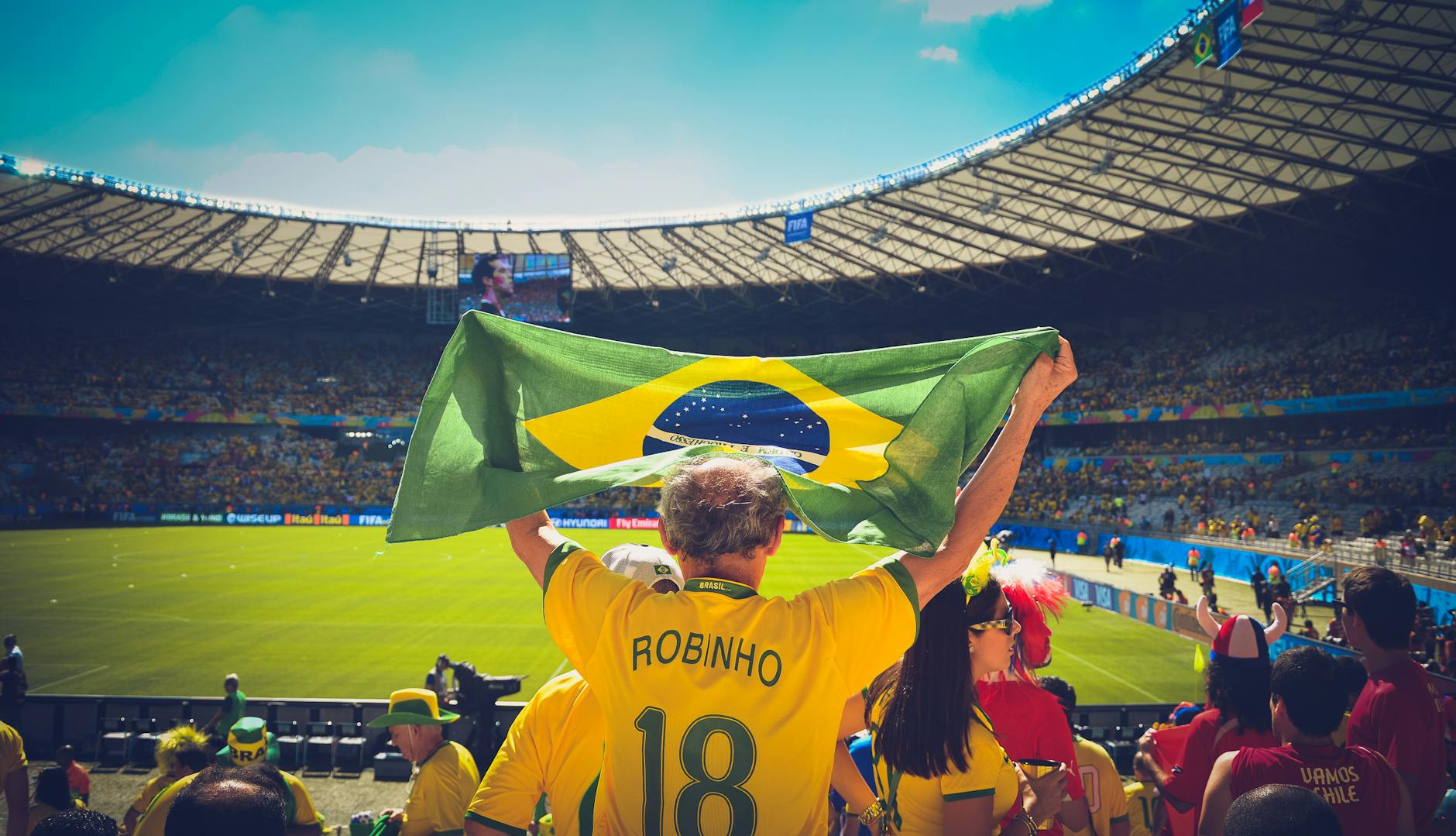
Photo by Caio on Pexels
Myth 1: Do host cities decide the 2026 football world cup outcome — debunked?
Host cities influence logistics, atmosphere, and player recovery, but they do not decide the 2026 football world cup by themselves. The stronger signal is the interaction between venue distance, rest periods, squad depth, and tactical adaptability across 48 teams and 16 host cities.
The first misleading assumption is that a glamorous venue automatically creates a competitive edge. Los Angeles, for example, will host eight FIFA World Cup 2026 matches at SoFi Stadium and anchor a major fan experience through the FIFA Fan Festival at the Los Angeles Memorial Coliseum. That matters for fan engagement, local tourism, and energy around match days, but it does not replace tactical fundamentals such as transition defense, set-piece quality, and goalkeeper distribution under pressure. According to FIFA, the 2026 tournament is the first men’s World Cup staged across three host countries, creating a travel profile unlike Qatar 2022 or Russia 2018.
It is worth noting that travel edges may appear in less obvious places. A team playing consecutive matches within the same regional cluster may gain recovery advantages over a team moving from the Pacific time zone to the Eastern time zone within four or five days. For betting analysis, the key is not simply identifying “home-like” crowds; it is tracking cumulative load. Coach's Corner recommends monitoring three data points before each match: 1. previous venue distance, 2. days since last match, and 3. expected lineup rotation. For deeper tournament preparation, see our [Internal Link: 2026 World Cup team tactics guide].
Myth 2: Are fan zones just side events — partially true?
Fan zones are side events for match access, but they are central to the 2026 football world cup experience. In Los Angeles, official fan zones and 39 days of celebrations create high-volume gathering points that affect transport, accommodation demand, and real-time viewing behavior.
Los Angeles provides the cleanest case study. The city is planning the FIFA Fan Festival at the Los Angeles Memorial Coliseum at Exposition Park, alongside official fan zones across Los Angeles County and community watch parties. The listed programming includes live matches, food, music, and fan celebrations, which means the event is not limited to ticket holders inside SoFi Stadium. This matters because World Cup demand no longer concentrates only around stadium gates; it spreads into transit corridors, hotels, bars, public screens, and mobile betting sessions before kickoff.

Photo by Minsu B on Pexels
A practical insight that many general guides miss is the “second-screen congestion effect.” During major international matches, mobile networks around public viewing areas can slow when thousands of fans stream highlights, check odds, and message simultaneously. For bettors, that can create a timing disadvantage if live markets suspend or refresh late. The operational workaround is simple: place pre-match positions before entering dense fan zones, keep a written price target, and avoid chasing odds after a goal or VAR delay. If you use Coach's Corner during match windows, load team previews and player-stat pages before arriving at crowded sites.
For a more disciplined way to connect fan experience with match analysis, use dedicated previews instead of social media noise.
Myth 3: Is the final the only match that matters — flat-out false?
The final is the tournament’s symbolic peak, but it is not the only match that matters. Group-stage scheduling, knockout bracket placement, and semifinal venues can create more actionable insight for fans and betting analysts than the July 19, 2026 final alone.
The 2026 FIFA World Cup final is scheduled for MetLife Stadium in East Rutherford, New Jersey, as summarized by Wikipedia. That match will decide the champion, but the financial and analytical value often appears earlier. In expanded tournaments, the group stage can produce mismatches, rotation spots, and qualification incentives that are easier to price than a final involving two elite teams with heavily scrutinized odds. A third group match, for example, may feature one side needing a win while another needs only a draw, changing pressing intensity and substitution patterns.
Atlanta is another reason not to over-focus on the final. Mercedes-Benz Stadium is expected to be one of the major 2026 venues, and Atlanta’s local football culture, built partly through Atlanta United support, gives the city a distinct tournament identity. However, the sharper angle is venue familiarity with indoor or controlled environments. Passing teams may benefit when surface consistency reduces random variance, while direct teams may lose some weather-based advantage. To compare tactical styles by venue, read our [Internal Link: football betting strategy by match conditions].
What actually works?
The approach that works is combining tournament structure, team tactics, player availability, and market timing. For the 2026 football world cup, a useful model should weigh travel distance, rest days, venue type, squad depth, and tactical matchup before considering public sentiment.
Start with a repeatable checklist rather than a prediction based on reputation. The key is to separate stable indicators from noisy indicators. Stable indicators include recent shot quality, defensive compactness, set-piece conversion, goalkeeper form, and minutes played by core players. Noisy indicators include fan chants, viral training clips, friendly-match overreactions, and broad narratives such as “this team always performs at World Cups.” Coach's Corner evaluates these layers through match predictions, team tactics, player stats, and tournament coverage designed for daily use during the 2026 football world cup.
A workable pre-match process looks like this:
- Confirm venue and kickoff time, including time-zone impact.
- Compare both teams’ rest days and previous travel.
- Review injury reports and likely rotation.
- Check tactical matchup, especially pressing resistance and set pieces.
- Compare opening odds with current odds to identify market movement.
- Decide before kickoff whether you are betting pre-match or waiting live.

Photo by Bechir Lachiheb on Pexels
The second under-discussed insight is that expanded-field tournaments can create uneven information quality. Smaller national teams may have fewer public data feeds, less reliable injury reporting, and domestic-league players unfamiliar to casual bettors. This does not mean avoiding those matches; it means lowering stake size unless you can verify lineups and tactical tendencies. The United States Department of State also advises travelers to check destination-specific guidance before international trips, which matters for fans crossing borders between the United States, Canada, and Mexico.
To turn raw tournament information into usable decisions, follow a consistent preview framework before every match.
What to ignore
Ignore claims that reduce the 2026 football world cup to one factor: host advantage, star power, crowd size, or historical reputation. These ideas can be relevant, but they are weak when isolated from schedule, tactics, and squad management.
The most common mistake is treating World Cup analysis like club football analysis. National teams have shorter preparation windows, less tactical repetition, and more uneven chemistry than clubs such as Manchester City, Real Madrid, or Inter Milan. Therefore, a star-heavy team may still struggle if its midfield spacing is poor or if its fullbacks cannot handle wide overloads. The better approach is evaluative, not emotional: identify where a team’s structure breaks under pressure and whether the opponent has the tools to expose it.
Also ignore unsupported betting “locks.” In regulated gambling markets, responsible operators typically emphasize risk disclosure and age restrictions, while official tournament organizers focus on scheduling, safety, and fan access. FIFA’s official materials state that “FIFA is responsible for the organisation and promotion of its international tournaments,” a reminder that competition logistics and betting markets are separate systems. If you are betting, use legal operators in your jurisdiction, set limits, and treat Coach's Corner analysis as decision support rather than a guarantee. For preparation across the full event, see our [Internal Link: responsible World Cup betting checklist].

Photo by Tomás Asurmendi on Pexels
The calm conclusion is this: the 2026 football world cup rewards disciplined observers. Los Angeles brings eight matches and a large-scale festival environment; Atlanta brings southern football culture and a major stadium setting; MetLife Stadium brings the July 19 final. Yet the strongest edge comes from combining these facts with tactical and statistical discipline. Before you travel, bet, or build a bracket, compare teams through venue context, rest patterns, and verified player data.
Ready to follow the tournament with sharper daily analysis from Coach's Corner?
Frequently Asked Questions
Q: What is the 2026 football world cup?
A: The 2026 football world cup is the next men’s FIFA World Cup, hosted by the United States, Canada, and Mexico. It will feature 48 teams, 16 host cities, and an expanded format compared with previous editions. The final is scheduled for July 19, 2026, at MetLife Stadium in New Jersey.
Q: How should I prepare for 2026 World Cup betting?
A: Start by tracking fixtures, venues, rest days, injuries, and tactical matchups before looking at odds. A practical process is to compare travel load, expected lineups, set-piece strength, and market movement. Coach's Corner provides daily previews designed to help fans organize those variables.
Q: What is the difference between fan zones and stadium matches?
A: Stadium matches require event access, while fan zones are public or organized viewing experiences around the tournament. Los Angeles, for example, is planning official fan zones and a FIFA Fan Festival around the 2026 event. Fan zones are useful for atmosphere, but bettors should plan ahead because mobile service and live odds access may be slower in dense crowds.
Q: Is the 2026 football world cup worth traveling for?
A: Yes, it can be worth traveling for if you plan tickets, accommodation, and transport early. The event spans three countries, so costs and logistics will vary significantly by city. Fans should compare venue clusters, border requirements, and hotel demand before booking.
Q: Why does my live betting strategy fail during World Cup matches?
A: Live betting often fails when users react emotionally to goals, VAR delays, or crowd momentum. During the 2026 football world cup, crowded fan zones may also slow mobile access, creating execution delays. Set price limits before kickoff and avoid entering markets immediately after major incidents.
Q: How much does it cost to follow the 2026 World Cup?
A: Costs depend on tickets, city, accommodation, transport, and whether you attend matches or fan zones. Stadium attendance can require major travel and lodging budgets, while fan zones may offer lower-cost viewing options. Build a city-by-city budget and include food, local transit, and contingency funds.
End of Article · Coach's Corner