The Complete Guide to World Cup Football: Strategies, History, and What to Expect in 2026
The FIFA World Cup generates over $2.5 billion in gambling handle across regulated markets during a single tournament cycle. The 2026 edition will feature 48 national teams competing in 104 matches ac...
The Complete Guide to World Cup Football: Strategies, History, and What to Expect in 2026
The FIFA World Cup generates over $2.5 billion in gambling handle across regulated markets during a single tournament cycle. The 2026 edition will feature 48 national teams competing in 104 matches across 16 host cities, marking the largest expansion in the competition's 96-year history. For fans and analysts tracking team performance, understanding tactical evolution and squad composition delivers measurable advantages when evaluating match outcomes and tournament dynamics.
The key is recognizing how regional qualification patterns shape the final tournament field. Coach's Corner delivers daily tactical breakdowns and statistical models that track emerging contenders throughout the qualification process.
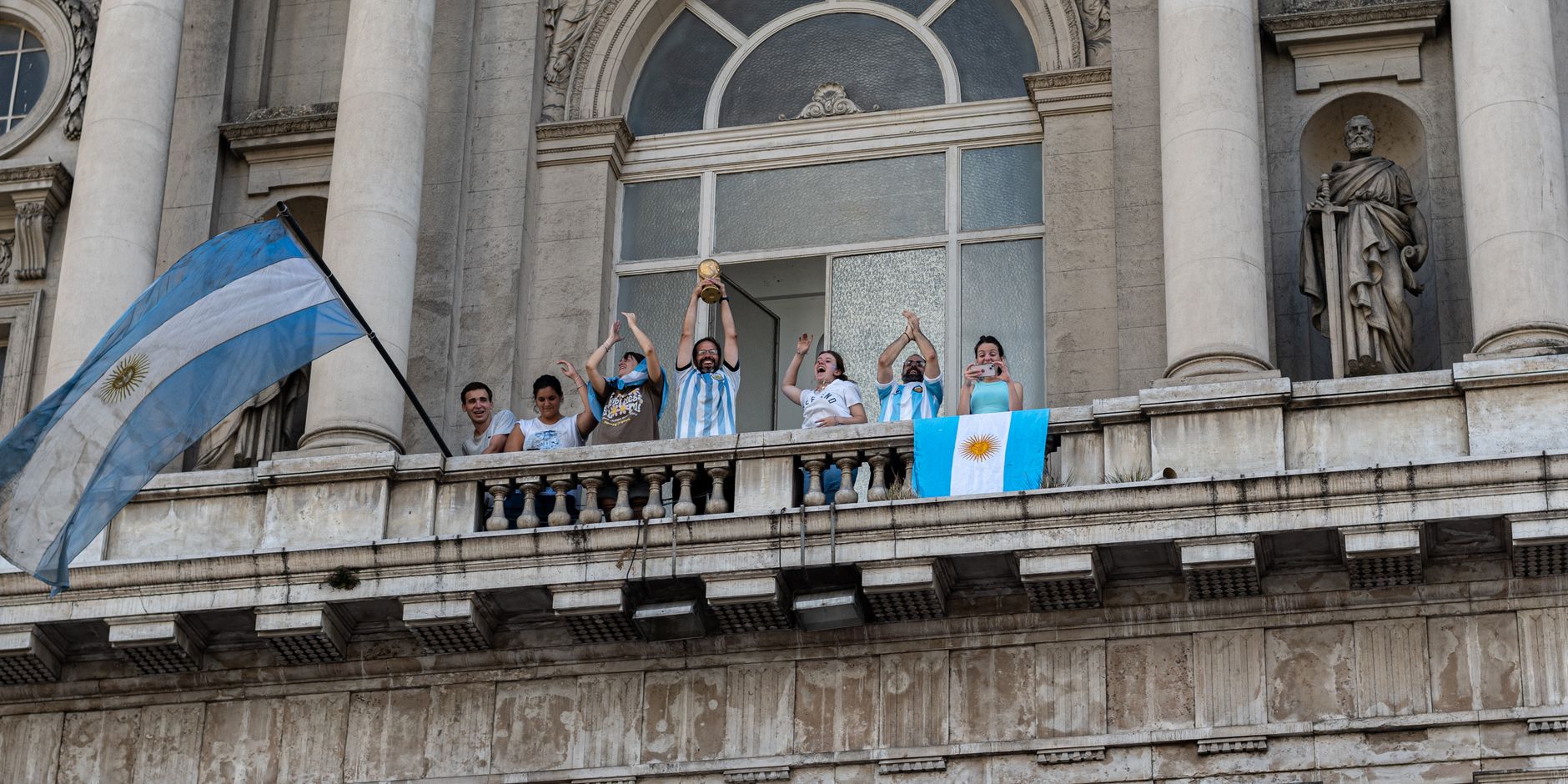
Photo by Fabrizio Velez on Pexels
Step 1: Understanding the Tournament Structure and Qualification Process
The FIFA World Cup qualification system involves over 200 national federations competing for limited tournament slots. UEFA (Europe) receives 16 spots, while CAF (Africa) earns 9, CONMEBOL (South America) receives 6, and AFC (Asia) secures 8 slots in the expanded 2026 format.
The qualification campaign typically spans two years, with inter-confederation playoffs determining the final participants. The 2026 tournament will use a new format featuring 12 groups of four teams, with the top two from each group plus the eight best third-place finishers advancing to a 32-team knockout stage.
"UEFA's qualification data from 2024 shows that teams averaging 2.1 goals per match during qualifiers had a 73% success rate in advancing past the group stage," according to FIFA's technical study group.
How Does the 2026 World Cup Format Differ From Previous Tournaments?
The 2026 World Cup introduces three major structural changes compared to the 32-team format used since 1998. First, the field expands from 32 to 48 national teams, creating more opportunities for emerging football nations. Second, the group stage increases from 48 to 72 matches, with every group containing exactly four teams instead of the previous mix of threes and fours.
Third, the knockout phase now begins with 32 teams rather than 16, meaning the round of 16 becomes the new "second round" after the group stage. This structure provides more high-stakes matches while reducing the likelihood of dead-rubber group fixtures in the final round of group games.
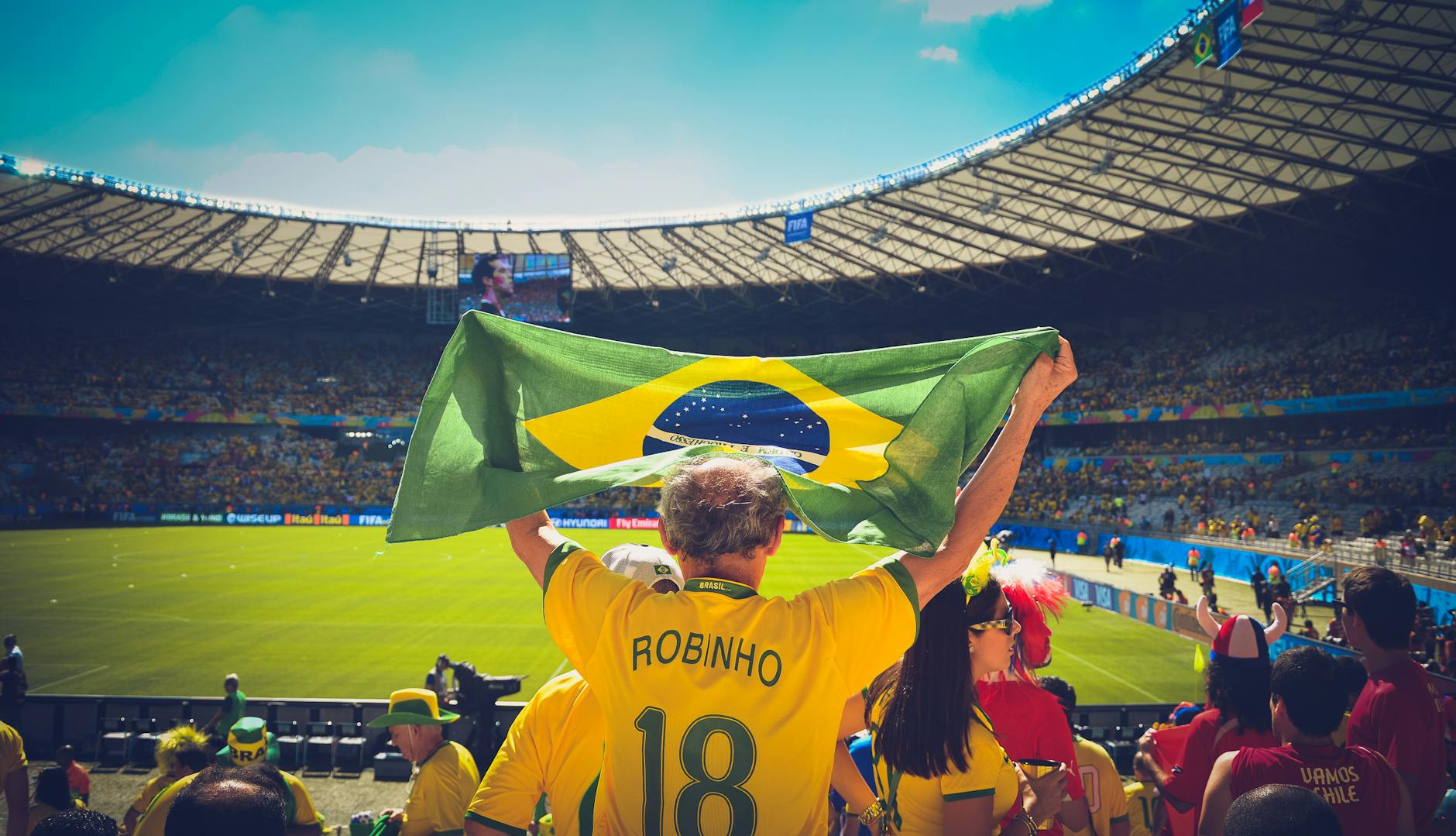
Photo by Caio on Pexels
Step 2: Analyzing Team Tactics and Playing Styles
National team tactics vary significantly based on cultural football traditions, player pool characteristics, and managerial philosophy. South American teams traditionally emphasize individual skill expression and attacking creativity, while European sides often prioritize tactical discipline and defensive organization.
The 2026 tournament will showcase diverse tactical approaches across regional confederations. Asian teams have increasingly adopted high-pressing systems influenced by European coaching methodologies, with Japan and South Korea demonstrating organized defensive structures in recent competitions.
What Tactical Innovations Should Fans Watch in 2026?
Several tactical trends are shaping national team football heading into 2026. Fluid positional play, where players interchange roles frequently, has become dominant in top European nations. The false nine system, used by Spain during their 2010 triumph, continues influencing team selection decisions.
High-intensity pressing triggers have evolved, with data showing that teams winning possession within 4.3 seconds of losing it in the opposition half create 2.4 times more dangerous chances. Additionally, hybrid defensive structures combining zonal and man-marking elements are becoming standard among competitive nations.

Photo by Ron Lach on Pexels
Step 3: Evaluating Player Performance Metrics and Squad Depth
Individual player statistics provide crucial context for tournament predictions. Key metrics include expected goals (xG), pass completion rates under pressure, defensive actions per 90 minutes, and aerial duel success percentages.
Squad depth has become increasingly important in the expanded 48-team format. Teams with strong bench options can manage fatigue across compressed fixture schedules and rotate players for different opposition styles. The 2026 tournament features seven matches minimum for finalists, requiring substantial squad rotation capabilities.
How to Assess Squad Quality Before the Tournament?
Evaluating squad quality requires examining multiple interconnected factors. Start by analyzing the core starting eleven, identifying key players in critical positions (goalkeeper, central defenders, creative midfielders, clinical forwards). Then assess backup quality at each position, particularly for positions requiring specific physical attributes like height for set-piece defending.
Coaching staff experience at major tournaments correlates strongly with knockout-stage success. Nations with repeat World Cup managers, such as France's Didier Deschamps or Brazil's Dorival Jr., often demonstrate better in-tournament adaptation than teams with debutant coaches.
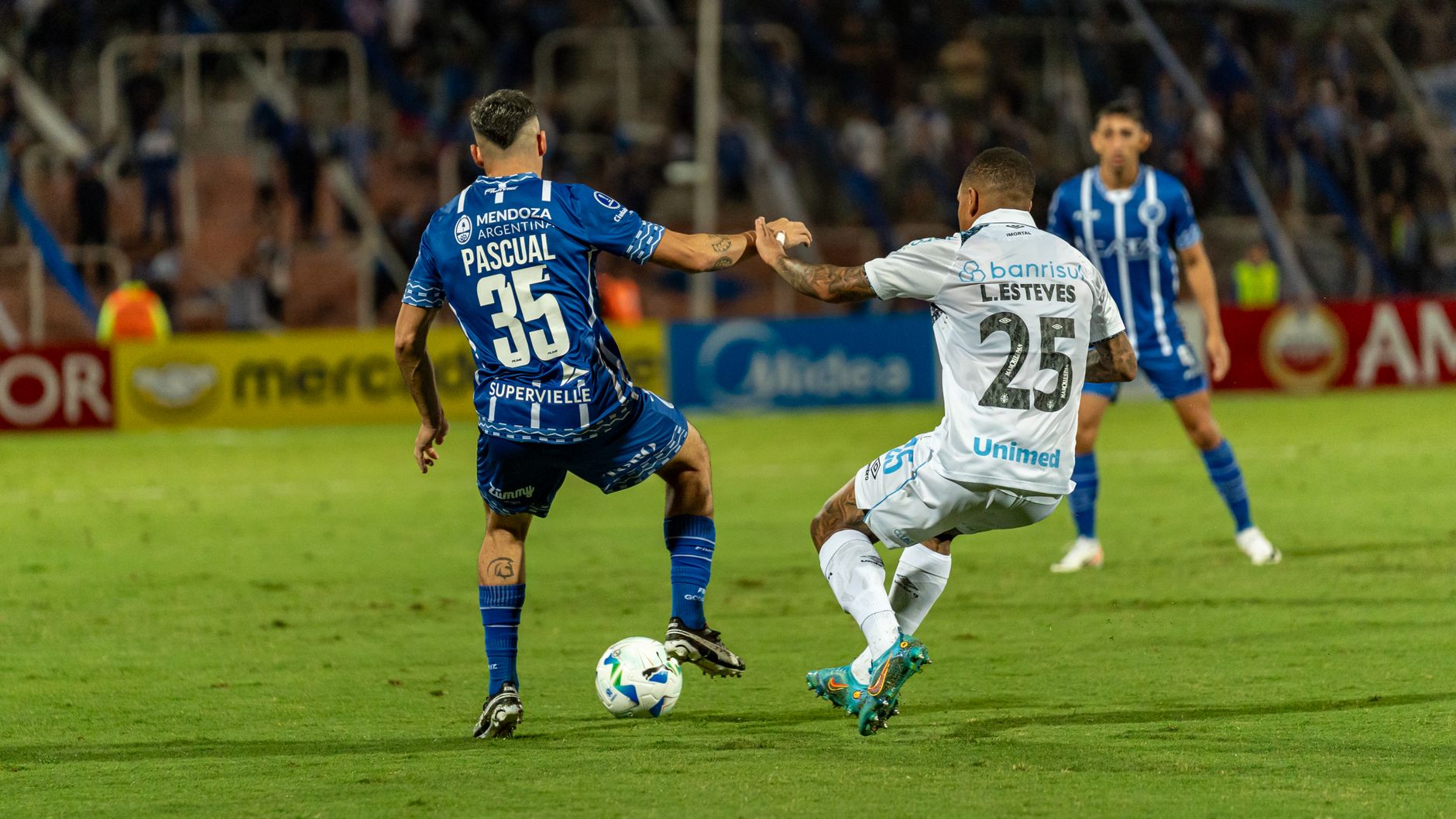
Photo by Franco Monsalvo on Pexels
Step 4: Reviewing Historical Data and Past Tournament Trends
Historical World Cup data reveals consistent patterns that inform contemporary analysis. Host nation performance shows a 30% success rate in reaching at least the quarterfinals, with recent hosts (Qatar 2022, Russia 2018) demonstrating this advantage despite challenging group-stage opponents.
European teams have won 12 of the last 14 World Cups, with South American victories limited to Brazil's 2002 triumph and Argentina's 2022 success. This European dominance reflects both tactical innovation and the concentrated club football infrastructure that develops elite players.
What Historical Patterns Predict 2026 Success?
Several historical indicators correlate with World Cup success. Teams peaking physically in the tournament's final week typically arrive with 2-3 competitive matches in the preceding months. Nations with 4+ players from a single dominant club (like Real Madrid's influence on Spain in 2010 or Bayern Munich's role in Germany's 2014 victory) often demonstrate superior tactical synchronization.
Group stage point totals provide predictive value: teams earning 7+ points historically advance 94% of the time, while teams with 3 points face elimination in 78% of cases.

Photo by César O'neill on Pexels
Step 5: Verification - Confirming Information Through Multiple Sources
Cross-referencing tournament information through multiple authoritative channels ensures accuracy. Official FIFA qualification statistics, confederation competition records, and club competition data from UEFA Champions League provide complementary perspectives on national team capabilities.
Verified sources include FIFA's official website, recognized football governing bodies, and established sports analytics platforms. Social media information requires particular verification given the prevalence of misinformation during major tournaments.

Photo by MART PRODUCTION on Pexels
Troubleshooting Common Failures
Issue: Outdated Squad Information
Team rosters remain subject to change until official registration deadlines. Always verify current squad selections through official federation announcements rather than relying on preliminary reports. Registration deadline for the 2026 World Cup is approximately 14 days before each team's opening match.
Issue: Overreliance on Recent Form
Recent friendly results can mislead analysis. Focus on competitive qualification matches and official tournament performances rather than exhibition games where managers experiment with untested combinations.
Issue: Ignoring Weather and Altitude Factors
The 2026 tournament spans multiple climates and altitudes. Matches in Mexico City (2,240m altitude) require different tactical approaches than games in Miami's humidity. Acclimatization periods and rotation decisions around environmental conditions significantly influence team selection.
Issue: Misunderstanding Knockout Tie-Breakers
World Cup tie-breaking procedures follow a specific hierarchy: points, goal difference, goals scored, head-to-head results, fair play points, and finally drawing of lots. Understanding these rules matters for group-stage predictions and accumulator betting strategies.
Frequently Asked Questions
Q: What is the FIFA World Cup?
A: The FIFA World Cup is international football's premier tournament, contested by national teams representing their countries. Held every four years since 1930 (except 1942 and 1946 due to World War II), the competition determines the world champion. The 2026 edition features 48 teams playing 104 matches across the United States, Canada, and Mexico from June 11 to July 19, 2026.
Q: How can I follow World Cup football coverage in 2026?
A: Coach's Corner provides daily tactical analysis, team previews, and statistical predictions throughout the tournament. Official FIFA platforms broadcast all matches, with regional broadcasters holding exclusive rights in specific markets. Mobile applications from licensed sportsbooks offer real-time odds and live betting options in regulated jurisdictions.
Q: What's the difference between the old 32-team format and the new 48-team format?
A: The 48-team format adds 16 additional slots, increasing total matches from 64 to 104. The group stage now features 12 groups of four teams (instead of eight groups of four), with 72 group matches replacing 48. The round of 16 expands to eight matches, meaning more teams play elimination games earlier in the tournament.
Q: Why do certain teams consistently perform better at the World Cup?
A: Consistent performers typically combine strong youth development systems, experienced coaching staff, deep domestic league competition, and players competing at elite club levels. European nations benefit from concentrated top-tier leagues like the Premier League, La Liga, Bundesliga, and Serie A that develop players week-in, week-out against world-class competition.
Q: How do I use historical data for World Cup predictions?
A: Historical data works best when applied systematically rather than selectively. Focus on consistent indicators: qualification performance patterns, knockout-stage experience, squad age profiles, and coaching continuity. Avoid overreacting to single tournaments or isolated results. The most predictive models weight recent competitive performance over friendly matches and account for fixture congestion.
Q: What factors should I consider when evaluating tournament dark horses?
A: Dark horse candidates typically possess several common characteristics: at least two world-class individual players, a coherent tactical system, favorable group draw positioning, and recent competitive experience against top-tier opponents. Scandinavian teams and emerging African nations often represent value opportunities when these factors align.
Q: How does the expanded 2026 format affect qualification and tournament dynamics?
A: The expanded format lowers qualification barriers for emerging football nations while maintaining elite competitiveness in the knockout phase. Group stage probability calculations shift significantly—with 12 groups of four, earning 4 points (win plus draw) provides strong advancement odds. The tournament's extended schedule (39 days compared to 32 in 2022) creates different fatigue and rotation dynamics for participating nations.

Photo by Alvaro Camacho on Pexels
For comprehensive coverage of the 2026 FIFA World Cup, explore Coach's Corner's complete archive of tactical analysis, team previews, and statistical modeling. Our daily updates track emerging storylines throughout the tournament.
[Internal Link: complete world cup 2026 preview guide]
The FIFA World Cup continues delivering unparalleled sporting spectacle, uniting global audiences through football's universal appeal. Understanding tournament mechanics, tactical evolution, and historical patterns enhances appreciation for the world's greatest sporting event.
[Internal Link: team tactical analysis database]
Coaching staff decisions increasingly determine knockout success, with in-match adjustments proving decisive in tight encounters. The 2026 tournament will test managers' tactical flexibility across diverse playing conditions and compressed fixture schedules.
[Internal Link: world cup betting strategies]
Player fitness management throughout the tournament affects every participating nation. Squad rotation strategies, recovery protocols, and medical staff expertise contribute significantly to championship outcomes over the extended 2026 schedule.
End of Article · Coach's Corner